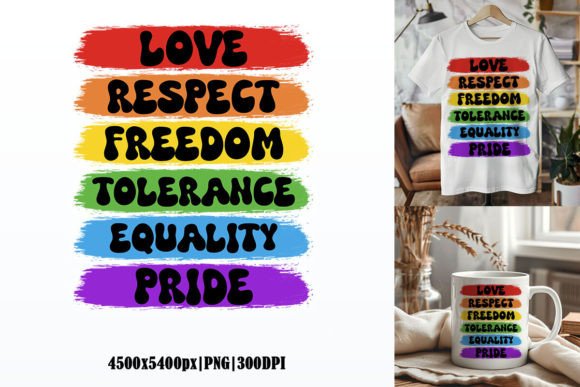
Evaluating the Love Respect Freedom Tolerance Equality Pride LGBT Sublimation Graphic
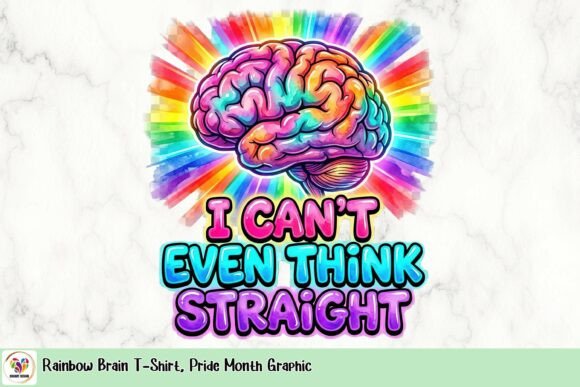
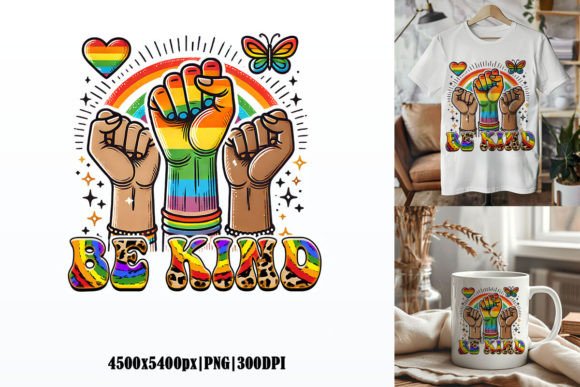
The Love Respect Freedom Tolerance Equality Pride, LGBT Sublimation Graphic is a specialized digital asset designed specifically for print-based crafting and merchandise creation. Unlike vector graphics intended for vinyl cutting, this product is a high-resolution raster image optimized for sublimation printing, waterslide decals, and standard inkjet or laser applications. It serves as a ready-to-print design element featuring thematic text and imagery associated with LGBTQ+ pride and social values. For crafters, small business owners, and event organizers evaluating digital assets, understanding the technical specifications and appropriate use cases of this specific file type is essential for achieving professional results and avoiding compatibility issues with hardware like Cricut or Silhouette machines.
Technical Specifications and Format Compatibility
When selecting digital artwork for production, the file format dictates the manufacturing process. This graphic is provided exclusively as a PNG file at 300 DPI (dots per inch) with a transparent background. This resolution is the industry standard for physical printing, ensuring that text remains crisp and colors do not appear pixelated when transferred onto substrates. The transparency allows for seamless integration onto colored garments or patterned backgrounds without a white box appearing around the design edges.
A critical distinction for users of cutting software such as Cricut Design Space or Silhouette Studio is that this product does not include vector cutting files (SVG, DXF, or EPS). While the listing mentions compatibility with these platforms, it refers to their "Print Then Cut" or sublimation workflows rather than blade-cutting functions. Users seeking to create vinyl decals, iron-on transfers requiring weeding, or layered cardstock projects will find this file unsuitable. The absence of cut lines means the design cannot be separated into individual color layers or shapes by a plotter. Evaluators must verify whether their intended project relies on printing ink onto a surface or cutting material into a shape before acquisition.
Ideal Use Cases and Application Scenarios
The Love Respect Freedom Tolerance Equality Pride, LGBT Sublimation Graphic performs best in scenarios where full-color reproduction and photographic detail are required. Sublimation printing, which uses heat to transfer dye into polyester fibers or polymer-coated hard surfaces, is the primary intended application. This makes the graphic an strong fit for:
- Polyester Apparel: Creating vibrant t-shirts, tank tops, and hoodies where the ink becomes part of the fabric rather than sitting on top.
- Hard Substrates: Producing mugs, tumblers, keychains, and ornaments that have been specifically coated for sublimation.
- Waterslide Decals: Applying detailed designs to curved surfaces like candles, glassware, or model kits where vinyl would be difficult to apply.
- Paper Goods: Printing birthday cards, scrapbook elements, stickers, and party decorations using standard home or commercial printers.
For events such as Pride parades, community fundraisers, or educational workshops, this graphic offers a time-efficient solution. Rather than designing typography and layout from scratch, organizers can utilize this pre-made asset to produce consistent branding across multiple mediums. The thematic focus on love, respect, freedom, tolerance, equality, and pride aligns with messaging needs for advocacy groups and inclusive businesses looking to expand their visual identity without commissioning custom illustration work.
Tradeoffs and Technical Considerations
While high-resolution PNGs offer versatility for printing, they present specific tradeoffs compared to vector alternatives. Understanding these limitations helps prevent production errors and customer dissatisfaction.
Color Management and Device Variance
Digital screens utilize RGB color profiles, while sublimation and inkjet printers typically use CMYK or specialized sublimation color spaces. Consequently, the colors viewed on a monitor will rarely match the printed output exactly. Users should expect some degree of color shifting, particularly with neon or highly saturated hues common in Pride-themed artwork. Professional results often require creating test prints and adjusting ICC profiles for specific printer and paper combinations. Relying solely on screen accuracy can lead to wasted materials if the final output appears duller or different in tone than anticipated.
Scalability Limitations
As a raster image, this graphic has a fixed maximum size determined by its pixel dimensions at 300 DPI. Unlike vectors, it cannot be scaled up indefinitely without losing quality. If a user intends to print a large banner or wall mural, they must first verify the pixel dimensions of the downloaded ZIP file. Enlarging the image beyond its native resolution will result in blurriness and artifacting. For large-format applications, a vector-based alternative or a significantly higher resolution source file would be necessary.
Software Workflow Requirements
Although compatible with Cricut Design Space and Silhouette Studio, utilizing a PNG for sublimation requires a different workflow than typical cutting projects. Users must be proficient in resizing images within the software, managing print bleed settings, and aligning the printed page with the cutter’s registration marks for "Print Then Cut" projects. Those unfamiliar with raster manipulation in cutting software may face a learning curve regarding alignment and sizing precision.
Comparing Alternatives and Decision Factors
Determining whether the Love Respect Freedom Tolerance Equality Pride, LGBT Sublimation Graphic is the correct choice depends on the specific production method and end goal. Below is a practical framework for decision-making:
Choose this PNG graphic if:
- Your primary output involves sublimation, waterslide decals, or direct-to-paper printing.
- You require a complex, multi-colored design that would be tedious or impossible to recreate with layered vinyl.
- You need immediate access to a finished design for short-term projects or events.
- You possess the necessary equipment (sublimation printer or high-quality inkjet) and substrates.
Consider alternative formats (SVG/EPS) if:
- You intend to use adhesive vinyl, heat transfer vinyl (HTV), or cardstock layering.
- You need to resize the design for vastly different applications (e.g., a pen and a billboard) without quality loss.
- You wish to edit the text, change fonts, or modify individual color elements of the design.
- Your equipment is strictly a cutting plotter without printing capabilities.
Practical Insights for Implementation
For those proceeding with this digital download, proper file management ensures longevity and usability. Upon downloading the ZIP format, extract the PNG to a dedicated project folder rather than opening it directly from the compressed archive. This prevents corruption and ensures the software reads the metadata correctly. When importing into design software, always check the canvas size relative to the image size; many programs default to resizing imported images, which can inadvertently alter the aspect ratio or resolution.
Additionally, consider the licensing and ethical implications of using pre-made Pride-themed graphics. While convenient, ensure the usage rights align with your intent, particularly for commercial sales. Supporting artists who create these resources fosters a sustainable ecosystem for niche design assets. Finally, maintain realistic expectations regarding the "digital" nature of the product. There is no physical item shipped, and technical proficiency with both software and printing hardware is a prerequisite for success. By aligning the file’s capabilities with project requirements, users can effectively leverage this graphic to create meaningful, high-quality products that celebrate diversity and inclusion.