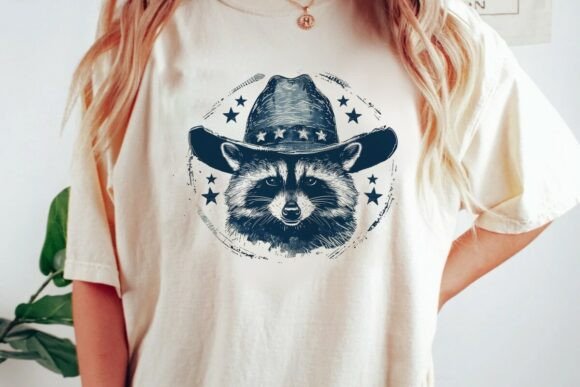
Evaluating the Stay Trashy Raccoon Graphic for Digital Design Projects
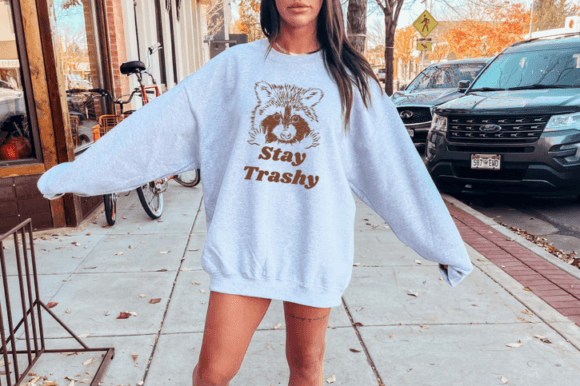
The Stay Trashy Raccoon Graphic is a specialized digital asset designed for creators, crafters, and small business owners seeking edgy, alternative aesthetics. This specific file is curated as a high-resolution 300 DPI PNG with a transparent background, positioning it as a versatile element for various physical product applications. Unlike vector-based assets, this graphic relies on raster data, which dictates specific use cases and limitations. For individuals researching digital design elements, understanding the technical specifications and practical applications of this raccoon graphic is essential for determining its suitability for projects ranging from apparel to hard-surface decals.
Technical Specifications and File Format
When evaluating digital graphics, the file format determines the workflow and final output quality. The Stay Trashy Raccoon Graphic is provided exclusively in PNG format at 300 DPI (dots per inch). This resolution is the industry standard for print production, ensuring that edges remain crisp and details do not appear pixelated when transferred to physical media. The inclusion of a transparent background is a critical feature for this asset type, as it allows the raccoon design to be layered over different colored substrates or integrated into complex compositions without requiring manual background removal.
It is important to note that this graphic does not include an SVG (Scalable Vector Graphics) file. This distinction significantly impacts how the asset should be utilized. Raster files like this PNG are composed of a fixed grid of pixels. While 300 DPI provides excellent clarity at the intended size, resizing the image beyond its native dimensions will result in quality degradation. Users must verify the pixel dimensions of the file against their project requirements before purchase to ensure the artwork meets the necessary scale for their specific application.
Primary Applications and Compatibility
The creative utilization of the Stay Trashy Raccoon Graphic spans multiple printing and crafting methodologies. Its high-resolution raster format makes it particularly well-suited for processes that rely on detailed color gradients and shading rather than solid shapes. Key compatible applications include:
- Direct-to-Garment (DTG) Printing: DTG printers handle raster images effectively, reproducing the intricate details and texture of the raccoon graphic directly onto fabric. The transparent background ensures only the design is printed, blending seamlessly with the garment color.
- Sublimation: For polyester-based products and coated hard surfaces, sublimation requires high-DPI raster art. This graphic’s resolution supports vibrant color transfer without banding or blurring.
- Waterslide Decals: Crafters creating custom decals for tumblers, model kits, or ceramics benefit from the transparency and detail density. The 300 DPI specification ensures fine lines remain legible after the decal is applied and sealed.
- Digital Mockups and Print-on-Demand: Sellers can use the clean, watermark-free file to create professional product listings. The absence of watermarks is a functional necessity for commercial presentation and final production.
Benefits of the Edgy Aesthetic
Beyond technical specs, the value of this asset lies in its stylistic niche. The "Stay Trashy" theme combined with raccoon imagery targets a specific demographic interested in irony, cottagecore-adjacent grunge, and self-deprecating humor. In a market saturated with polished or overly cute animal designs, this graphic offers an alternative tone that resonates with audiences appreciating authenticity and counter-culture aesthetics.
For sellers and creators, this differentiation is a strategic advantage. Products featuring this design stand out in search results and social feeds where generic wildlife art may be overlooked. The edgy nature of the graphic also lends itself to storytelling and brand identity building for shops focusing on alternative fashion, punk culture, or humorous novelty items. The visual impact is designed to capture attention quickly, which is vital in e-commerce environments where scroll speed is high.
Considerations and Tradeoffs
While the Stay Trashy Raccoon Graphic offers distinct advantages, potential users must weigh specific tradeoffs associated with raster-only assets. The primary limitation is scalability. If a user intends to print this design on large-format items such as tapestries, vehicle wraps, or oversized hoodies, they must first confirm the native pixel dimensions. Enlarging a 300 DPI PNG beyond its original size reduces the effective DPI, potentially leading to softness or pixelation in the final print.
Additionally, editing capabilities differ from vector files. Because this is not an SVG, users cannot easily separate individual elements, change specific colors via node manipulation, or adjust line weights. Color correction and adjustments must be performed using raster editing software like Photoshop or GIMP. Creators who require frequent color variations or modular design elements may find the workflow more time-consuming compared to using vector art.
Situational Fit: When to Choose This Graphic
Determining whether this asset aligns with your goals requires matching the file's strengths to your project parameters. The Stay Trashy Raccoon Graphic is a strong fit in the following scenarios:
- Fixed-Size Print Projects: When the print area is known and falls within the graphic’s native resolution capabilities, such as standard t-shirt chests, mug wraps, or sticker sheets.
- Photorealistic or Textured Art Styles: If the design utilizes shading, fur texture, or painterly effects that vectors cannot replicate efficiently, this raster format is superior.
- Niche Marketing Campaigns: When targeting audiences specifically looking for grunge, trash-core, or ironic wildlife aesthetics.
- Immediate Production Needs: The ready-to-print, watermark-free state eliminates prep time, making it ideal for tight deadlines where redrawing or vectorizing is not feasible.
When to Consider Alternatives
Conversely, there are situations where alternative assets may better serve your needs. You should consider seeking SVG files or commissioning custom vector work if:
- Large Format Printing is Required: For banners, signage, or apparel exceeding the native dimensions of the PNG, vector art ensures infinite scalability without quality loss.
- Frequent Customization is Needed: If you plan to offer customers personalized color options or text modifications within the graphic itself, a layered vector file provides necessary flexibility.
- Cutting Machine Usage: For vinyl cutting or laser engraving, vectors are typically required to define cut paths. While some software can trace rasters, the results are often inferior to native vector lines.
- Minimalist or Flat Design Preferences: If your brand aesthetic leans toward clean lines and solid colors rather than textured illustration, this edgy, detailed style may clash with your existing portfolio.
Making an Informed Decision
Selecting the right digital asset involves balancing aesthetic appeal with technical viability. The Stay Trashy Raccoon Graphic serves as a high-quality solution for creators committed to raster-based printing methods and alternative design themes. Its 300 DPI resolution and transparent background address the fundamental requirements for professional DTG, sublimation, and decal production. However, the absence of SVG format necessitates careful planning regarding size and editability.
Before integrating this graphic into your workflow, measure your intended print area and compare it against the file’s pixel dimensions. Assess whether your editing needs can be met within a raster environment. By objectively evaluating these factors against your project goals, you can determine if this specific raccoon graphic provides the foundation necessary for successful, high-quality merchandise creation. Ultimately, the decision should hinge on whether the unique combination of edgy style and raster specifications aligns with both your creative vision and production capabilities.