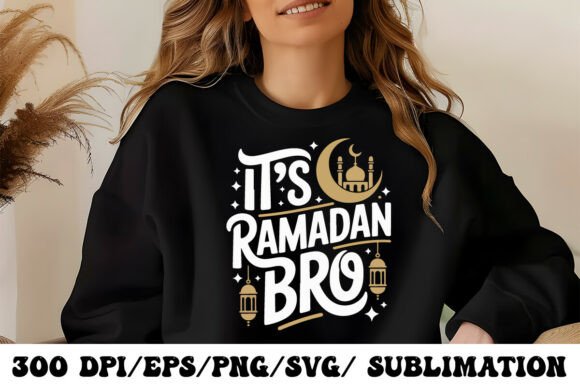
Ramadan Kareem Graphic with Crescent: Modern Design Solutions for the Holy Month
The arrival of the holy month brings a surge in demand for visual content that honors tradition while resonating with contemporary audiences. A Ramadan Kareem graphic with crescent serves as the foundational visual anchor for this seasonal communication, bridging the gap between spiritual reverence and modern aesthetic sensibilities. For community leaders, marketers, business owners, and individuals, finding or creating artwork that feels both authentic and fresh is a common challenge. The right design does more than decorate; it communicates respect, fosters connection, and elevates the overall experience of Ramadan across digital and physical platforms.
Understanding the Modern Islamic Design Aesthetic
When we discuss a Ramadan Kareem graphic with crescent, we are referring to a specific evolution in Muslim art and lifestyle branding. Historically, Islamic artwork relied heavily on intricate calligraphy and geometric patterns. While these remain culturally significant, today’s visual landscape requires designs that are instantly recognizable on small screens and scalable for large-format printing. The modern aesthetic integrates traditional symbols—specifically the crescent moon and mosque silhouettes—with bold typography, minimalist layouts, and vibrant color palettes.
This fusion addresses a critical need for relevance. Younger generations and global diaspora communities often seek visuals that reflect their dual identities: deeply rooted in faith yet fully engaged with modern design trends. A successful graphic avoids clichés or outdated clip-art styles, opting instead for clean vector lines, balanced negative space, and festive typography that reads clearly in social media feeds. This approach ensures that the message of "Ramadan Kareem" is delivered with dignity and visual impact.
Solving Visual Communication Challenges During Ramadan
During the holy month, organizations and individuals face several distinct visual challenges. Understanding these pain points helps clarify why investing in high-quality Ramadan Kareem graphic with crescent assets is essential.
- Cultural Authenticity vs. Commercial Appeal: Businesses want to participate in seasonal marketing without appearing opportunistic. A well-designed graphic signals genuine respect rather than generic commercialization.
- Digital Saturation: Social media feeds become flooded during Ramadan. Standard templates often get lost. Bold, modern Islamic design cuts through the noise by offering superior composition and professional polish.
- Versatility Across Formats: Content creators need assets that work equally well as an Instagram story, a website banner, and a printed flyer. Low-resolution or poorly composed graphics fail when resized.
- Inclusive Representation: Communities are diverse. Designs featuring universal symbols like the crescent and mosque silhouettes transcend specific cultural sub-groups, making them ideal for international or multi-ethnic congregations.
By prioritizing professional-grade artwork, users solve the problem of visual inconsistency. Instead of scrambling for mismatched images daily, a cohesive design system built around a central crescent motif establishes a recognizable brand identity throughout the thirty days of fasting.
Practical Applications for Digital and Physical Media
The utility of a versatile Ramadan Kareem graphic with crescent extends far beyond simple greeting cards. Practical implementation requires thinking about how the design interacts with different mediums and user behaviors.
Social Media and Digital Marketing
For digital campaigns, the graphic acts as a template system. The crescent and mosque silhouette should be positioned to allow ample negative space for overlaying text, such as daily prayer times, Quranic verses, or event announcements. Festive typography should be legible against mobile backgrounds. When used consistently, these graphics increase engagement rates by creating a familiar visual rhythm for followers. Marketers should ensure files are exported in RGB color profiles for screen accuracy and optimized for fast loading speeds.
Apparel and Merchandise
T-shirt design and merchandise require a different technical approach. A Ramadan Kareem graphic with crescent intended for apparel must be created in vector format (SVG, EPS, or AI) to ensure crisp edges at any print size. Designers must consider garment color contrast; a white crescent on a navy tee offers classic elegance, while gold foil accents on black create a premium feel. For Muslim lifestyle brands, these designs transform clothing into wearable expressions of faith, allowing community members to celebrate visibly in public spaces.
Community Events and Print Collateral
Posters, banners, and stickers for community iftars or charity drives benefit from high-contrast designs. Mosque silhouettes provide immediate contextual recognition from a distance. In print applications, designers must account for bleed areas and CMYK color conversion to prevent dull output. Stickers, increasingly popular for fundraising and youth engagement, require simplified versions of the main graphic where fine details are removed to maintain clarity at small scales.
Tailoring the Approach for Different User Needs
Not every user approaches Ramadan visuals with the same goals. Recognizing these distinctions ensures the Ramadan Kareem graphic with crescent serves its intended purpose effectively.
For Community Leaders and Mosques: The priority is information clarity and warmth. Graphics should prioritize readability over artistic abstraction. Use the crescent as a framing device for essential details like taraweeh schedules or donation links. Avoid overly trendy effects that might distract older congregants or obscure important text.
For E-commerce and Retail Brands: The goal is conversion paired with cultural sensitivity. Integrate the graphic subtly into product photography or promotional banners. Ensure the "Ramadan Kareem" sentiment is prominent but respectful. Avoid placing sacred typography near sale prices or discount codes to maintain appropriate etiquette.
For Content Creators and Influencers: Personal branding takes precedence. Customize the color palette of the Ramadan Kareem graphic with crescent to match existing feed aesthetics. Use the design as a recurring element in stories and reels to build narrative continuity. Interactive elements, such as leaving space for audience questions or reflection prompts, can transform static graphics into engagement tools.
For Educators and Non-Profits: Accessibility is key. Ensure high contrast ratios for visually impaired audiences. Pair the graphic with alt-text descriptions when posting online. Use the visual as a teaching aid to explain the significance of the lunar calendar and architectural heritage to broader audiences.
Key Considerations for Implementation Success
To maximize the effectiveness of your Ramadan visuals, keep these practical recommendations in mind:
- Verify Cultural Accuracy: While stylization is encouraged, ensure the crescent orientation and mosque architecture do not inadvertently misrepresent religious symbolism. Consult community members if unsure.
- Prioritize Typography Hierarchy: "Ramadan Kareem" should be the primary focal point. Secondary information must be significantly smaller to avoid visual clutter.
- Prepare Multiple Variations: Create horizontal, vertical, and square crops of your Ramadan Kareem graphic with crescent before the month begins. This prevents last-minute cropping issues.
- Mind the Color Psychology: Deep greens, golds, and midnight blues evoke tradition and serenity. Bright neons may signal celebration but can also feel jarring in spiritual contexts. Choose palettes that align with your specific message tone.
- Licensing and Usage Rights: Always verify that purchased or downloaded graphics include commercial licenses if used for business purposes. Respecting intellectual property is part of ethical Islamic commerce.
Ultimately, a thoughtfully executed Ramadan Kareem graphic with crescent is more than decoration. It is a functional tool that facilitates connection, supports community logistics, and expresses faith in a visually saturated world. By focusing on usability, cultural respect, and modern design principles, you ensure your Ramadan communications are as meaningful as they are beautiful.