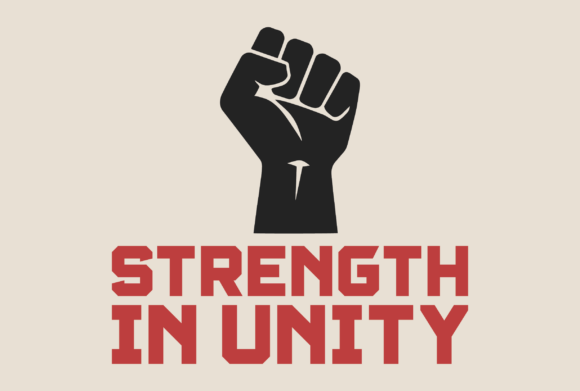
Strength in Unity Handshake Graphic: Strategic Visual Communication for Collaborative Goals
Visual shorthand is a critical asset in modern communication strategies, particularly when conveying complex values like solidarity and cooperation without relying on dense text. The Strength in Unity Handshake Graphic serves as this precise type of visual anchor. Combining bold typography with minimalist line art, this design element transcends mere decoration to function as a strategic signal of alignment. For entrepreneurs, organizers, and creative professionals, understanding how to deploy this graphic effectively requires moving beyond aesthetic appreciation toward intentional application. It is not simply an image of two hands meeting; it is a calculated communication tool designed to reinforce trust, signal shared objectives, and streamline messaging across diverse platforms.
The Strategic Function of Minimalist Symbolism
In an era of information overload, cognitive load management is essential for effective branding and advocacy. The Strength in Unity Handshake Graphic leverages minimalism to reduce friction in message processing. Unlike photorealistic stock imagery, which can carry unintended cultural or demographic biases, line-art abstraction allows the viewer to project their own context onto the symbol. This universality makes the graphic strategically valuable for organizations serving diverse stakeholders. When you utilize this specific design, you are employing a recognized semiotic code that instantly communicates partnership and mutual support.
From a positioning standpoint, the bold typography integrated into the handshake creates a hierarchy that prioritizes the concept over the individuals. This shifts the focus from personality-driven leadership to value-driven collectivism. For decision-makers planning campaigns around workers' rights, community organizing, or B2B partnerships, this distinction is vital. It signals that the entity values systemic strength and long-term cooperation over transient trends. The graphic acts as a consistent thread that ties disparate initiatives together, providing visual continuity that reinforces organizational stability and commitment.
Aligning Visual Assets with Operational Goals
Adopting the Strength in Unity Handshake Graphic should be a deliberate operational choice rather than a reactive design selection. Before integrating this asset into your workflow, audit your current communication objectives against the symbol’s inherent meaning. Ask whether your immediate goals require signaling consensus, negotiation, or collective action. If your objective is to highlight individual achievement or competitive dominance, this graphic may create semantic dissonance. However, if your planning phase involves stakeholder alignment, coalition building, or reinforcing internal culture, the graphic serves as a functional reinforcement mechanism.
Consider the following strategic applications where this graphic supports tangible outcomes:
- Stakeholder Negotiations: Use the graphic in presentation decks and proposal headers to visually prime discussions toward collaborative problem-solving rather than zero-sum competition.
- Internal Culture Building: Integrate the design into onboarding materials and internal newsletters to reinforce psychological safety and the expectation of mutual support among teams.
- Advocacy Campaigns: Deploy the graphic across social media templates and merchandise to create instant recognition for movements focused on labor rights or social justice.
- Partnership Announcements: Utilize the visual as a primary identifier for joint ventures, distinguishing true strategic alliances from standard vendor relationships.
Risk Mitigation and Contextual Integrity
While the Strength in Unity Handshake Graphic is a powerful signifier, its effectiveness depends entirely on contextual integrity. A significant risk in visual strategy is the gap between symbolic representation and operational reality. Using a symbol of unity while engaging in transactional or extractive business practices creates a credibility deficit that can damage brand equity more severely than having no symbol at all. Audiences, particularly within activist and professional communities, are highly attuned to performative allyship. Therefore, this graphic must only be deployed when backed by verifiable actions and policies.
Decision-makers must also consider the saturation of handshake imagery in corporate environments. To avoid the "generic stock photo" trap, ensure the specific minimalist style of this graphic aligns with your broader design system. The bold typography should match your brand voice, and the line weight should complement existing visual assets. If the graphic feels pasted on rather than integrated, it undermines the very cohesion it seeks to represent. Strategic use demands customization and thoughtful placement, ensuring the symbol feels native to your specific narrative rather than borrowed from a generic library.
Enhancing Customer Experience Through Visual Trust
Trust is a measurable component of customer experience (CX) and user retention. Visual cues play a subconscious role in establishing this trust before a single word is read. The Strength in Unity Handshake Graphic functions as a heuristic for reliability and fairness. In service-based industries or cooperative business models, placing this graphic at key touchpoints—such as contract signature pages, dispute resolution portals, or community guidelines—can subtly reinforce the organization's commitment to equitable treatment. This is not about manipulation; it is about reducing anxiety and confirming expectations through consistent environmental design.
For educators and trainers, the graphic serves as a pedagogical anchor. When teaching concepts related to teamwork, conflict resolution, or organizational behavior, visual symbols help encode abstract ideas into long-term memory. By consistently pairing the Strength in Unity Handshake Graphic with lessons on collaboration, you create a conditioned response that aids recall and reinforces learning outcomes. This practical application extends beyond marketing into the realm of knowledge transfer and skill development, demonstrating the asset's versatility across different professional domains.
Planning for Long-Term Brand Resonance
Sustainable branding requires assets that age well. The minimalist nature of the Strength in Unity Handshake Graphic insulates it from fleeting design trends that often date content within months. Line art and strong typography have remained relevant for decades because they prioritize form and function over stylistic ornamentation. When planning your long-term visual identity, investing in timeless symbols reduces the need for frequent rebranding cycles. This efficiency frees up resources for other strategic initiatives while maintaining a stable visual presence that audiences can rely on.
However, longevity does not imply stagnation. Strategic planners should develop a usage framework that defines how the graphic evolves alongside the organization. This might include creating seasonal variations, adapting the color palette for different campaigns, or pairing the graphic with updated copy that reflects current priorities. The core symbol remains constant, providing continuity, while the surrounding context adapts to maintain relevance. This balance between consistency and adaptability is the hallmark of mature visual strategy.
Evaluating Effectiveness and Making Adjustments
To ensure the Strength in Unity Handshake Graphic continues to serve its intended purpose, establish feedback loops to evaluate its impact. Quantitative metrics might include engagement rates on posts featuring the graphic versus those that do not, or conversion rates on partnership landing pages. Qualitative assessment is equally important; gather feedback from team members and community stakeholders regarding what the symbol represents to them. Does it still resonate? Has its meaning shifted due to external events or internal changes? Regular evaluation prevents visual assets from becoming background noise.
If data indicates diminishing returns, resist the urge to discard the symbol immediately. Instead, analyze whether the issue lies with the graphic itself or its application. Often, fatigue stems from repetitive placement rather than flawed design. Rotating the graphic out of high-frequency rotation and reserving it for high-impact moments can restore its potency. Strategic asset management involves knowing when to amplify a symbol and when to let it rest, ensuring that every appearance carries weight and intention.
Intentional Deployment for Maximum Impact
Ultimately, the value of the Strength in Unity Handshake Graphic lies in the thoughtfulness of its deployment. It is a tool for clarifying intent, not obscuring ambiguity. Professionals who master visual communication understand that every pixel serves a business or advocacy goal. Whether you are a freelancer signaling reliability to clients, a nonprofit rallying volunteers, or a corporation restructuring for better collaboration, this graphic offers a concise way to articulate complex relational dynamics.
Approach this asset with the same rigor you apply to financial planning or operational logistics. Define its role, measure its contribution, and protect its integrity. When used with precision, the Strength in Unity Handshake Graphic becomes more than an illustration; it becomes a cornerstone of a communication strategy built on genuine connection and enduring results. By grounding visual choices in strategic reality, you ensure that your message of unity is not just seen, but believed and acted upon by those who matter most to your success.