Vintage Classic Car Graphic T-Shirts: Design Guide
The allure of automotive history has never truly faded. For decades, the silhouette of a mid-century coupe or the chrome detailing of a pre-war roadster has symbolized freedom, engineering excellence, and timeless style. When these iconic images are translated into apparel, they become more than just clothing; they serve as wearable tributes to an era of mechanical artistry. Vintage classic car graphic t-shirts occupy a unique space in fashion where nostalgia meets contemporary streetwear, offering a canvas that appeals to gearheads, fashion enthusiasts, and graphic designers alike.
However, creating or sourcing high-quality vintage automotive art is not merely about finding a picture of an old vehicle. It involves understanding the intersection of historical accuracy, artistic interpretation, and technical print readiness. Whether you are launching a print-on-demand business, designing merchandise for a car club, or simply looking for a personal project, the value of these graphics shifts depending on your specific role and objectives.
Defining the Aesthetic and Technical Standard
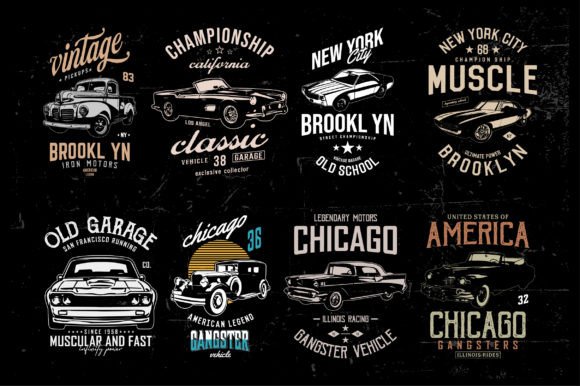
A true vintage classic car graphic t-shirt design differs significantly from generic automotive clip art. It captures a specific mood—often characterized by distressed textures, retro typography, muted color palettes, and dynamic compositions that suggest motion or restoration. This aesthetic requires a delicate balance. The design must feel authentically old-world while remaining crisp enough for modern printing technologies.
From a technical standpoint, quality is non-negotiable. Professional designs in this niche typically arrive as part of a comprehensive bundle rather than a single flat image. A robust package includes meticulously crafted AI files at 580 DPI and EPS vectors at 300 DPI, ensuring that lines remain sharp whether printed on a small sticker or a large banner. These source files, often compatible with EPS 10 standards, provide the foundational layers necessary for serious editing. Additionally, having a high-quality JPG mockup allows creators to visualize the final product before committing ink to fabric. All these assets are usually nestled in a singular ZIP file, streamlining the workflow from download to production.
Perspectives Across Different Audiences
The relevance of vintage car graphics varies profoundly based on who is using them. Understanding these distinct perspectives helps in evaluating whether a specific design bundle aligns with your current needs.
For Entrepreneurs and Small Business Owners
If you run a print-on-demand store or a boutique apparel brand, your primary concerns are commercial viability and speed to market. You likely do not have the time to illustrate a 1967 Mustang from scratch. For this group, a pre-made design bundle serves as a catalyst for inventory expansion. The inclusion of print-ready files saves valuable development hours, allowing you to focus on marketing and customer acquisition.
Furthermore, the ability to change colors across 100 variations is a critical business asset. It enables you to create cohesive collections that match seasonal trends or specific niche preferences without hiring a designer for every iteration. The commercial value here lies in flexibility and reliability; you need assets that are legally clear for use and technically flawless to avoid costly misprints.
For Graphic Designers and Freelancers
Experienced creatives view these bundles differently. Rather than seeing them as finished products, designers often treat them as high-quality base assets or learning tools. Access to layered AI and EPS source files allows professionals to deconstruct the artwork to understand how vintage effects, shading, and vector paths were constructed. This offers significant learning value for those looking to refine their own illustration techniques.
Additionally, freelancers working under tight deadlines can use these ecletic t-shirt design bundles to meet client demands efficiently. Having a library of professionally drawn classic cars means you can propose concepts faster and deliver polished results with greater confidence. The priority here is creative control; the source files must be organized and editable, not flattened raster images that limit modification.
For Hobbyists, Educators, and Enthusiasts
Not everyone using vintage car graphics is trying to make a profit. Car club members, educators teaching automotive history, or hobbyist crafters often seek these designs for personal expression or community building. For a car club president organizing a reunion, a custom t-shirt fosters unity and commemorates the event. In this context, ease of use and presentation matter most. The included JPG mockups help in pitching ideas to committee members or visualizing the end result for fundraising efforts.
Educators might use these graphics in presentations or worksheets to engage students with visual history. Here, the clarity of the vector art ensures that details like engine components or body styles are accurate and visible when projected or printed. For the DIY enthusiast making stickers for a toolbox or a personalized sweater, the "print-ready" nature of the files removes the technical barrier to entry, making professional-grade customization accessible without advanced software skills.
Evaluating Quality and Versatility
When selecting vintage classic car graphic t-shirts or design resources, it is essential to look beyond the initial visual appeal. Consider the following practical factors to ensure the asset matches your goals:
- Resolution and Scalability: Verify that the bundle includes both high-DPI raster elements (like the 580 DPI AI file) and true vector formats (EPS). Vectors are essential for apparel because they scale infinitely without pixelation, which is crucial when adapting a design from a mug to a jumper.
- Editability: Check if the source files allow for genuine customization. The promise of 100 color-changeability should mean that colors are separated into logical layers or swatches, making recoloring a matter of clicks rather than hours of masking.
- Product Adaptability: Assess whether the composition works across different mediums. A design perfect for a t-shirt chest print might be too detailed for a small sticker or awkwardly cropped on a mug. Versatile bundles often include layout variations or isolated elements suitable for diverse printable products like sweaters and decals.
- File Organization: Time is a resource. Ensure the ZIP file is structured logically. Finding all necessary formats (AI, EPS, JPG) without digging through nested folders improves workflow efficiency, especially when managing multiple projects.
Making the Right Choice for Your Project
Ultimately, the decision to utilize a vintage classic car design bundle should stem from a clear understanding of your output requirements. Beginners and consumers should prioritize packages that emphasize ease of use and include visual mockups to reduce guesswork. Professionals and business owners should scrutinize the technical specifications, ensuring the DPI and file formats meet industry standards for commercial printing.
Whether you are aiming to launch a new apparel line, teach a class on mid-century design, or simply create a unique gift, the right graphic asset acts as a bridge between your vision and the final physical product. By focusing on the specific attributes that matter to your unique situation—be it cost-efficiency, creative depth, or technical precision—you can transform a digital download into a tangible piece of automotive heritage. We invite you to explore our realm of eclectic design and join our online community for daily inspiration, but more importantly, we encourage you to assess these tools through the lens of your own creative journey.